Ladakh Development Foundation
Before our formal incorporation as a 501-C3 organization, LDF activities began in February 2002 when one of our teams brought soil test kits to Leh and trained a cadre of Ladakhi extension agents to use them.
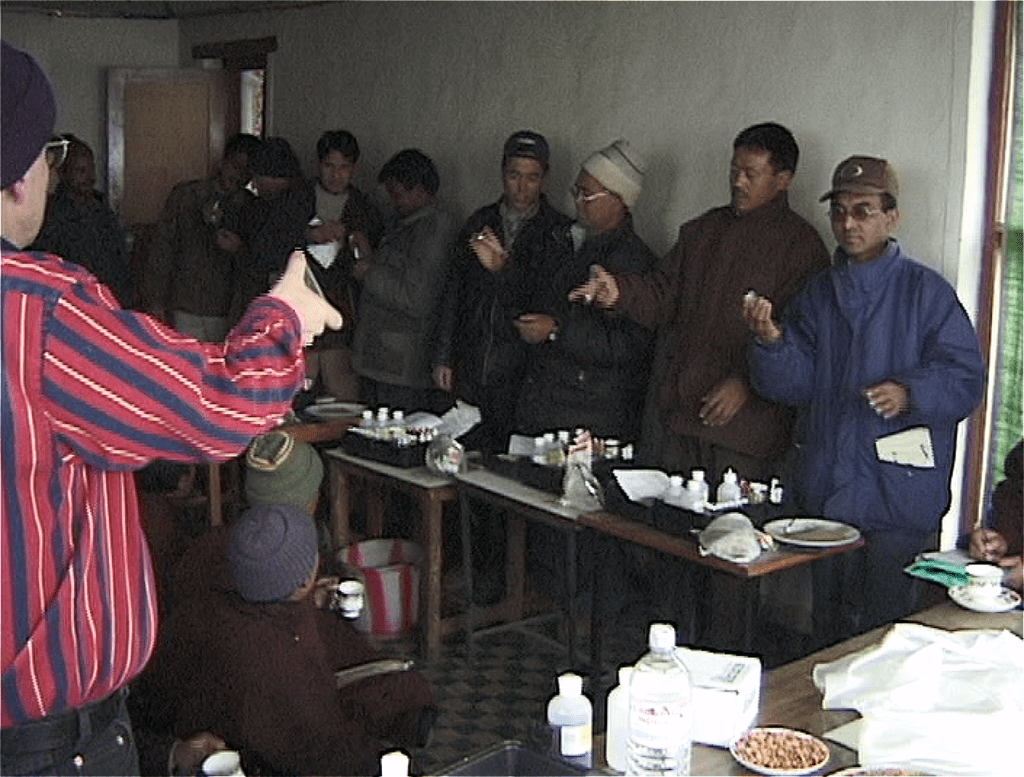
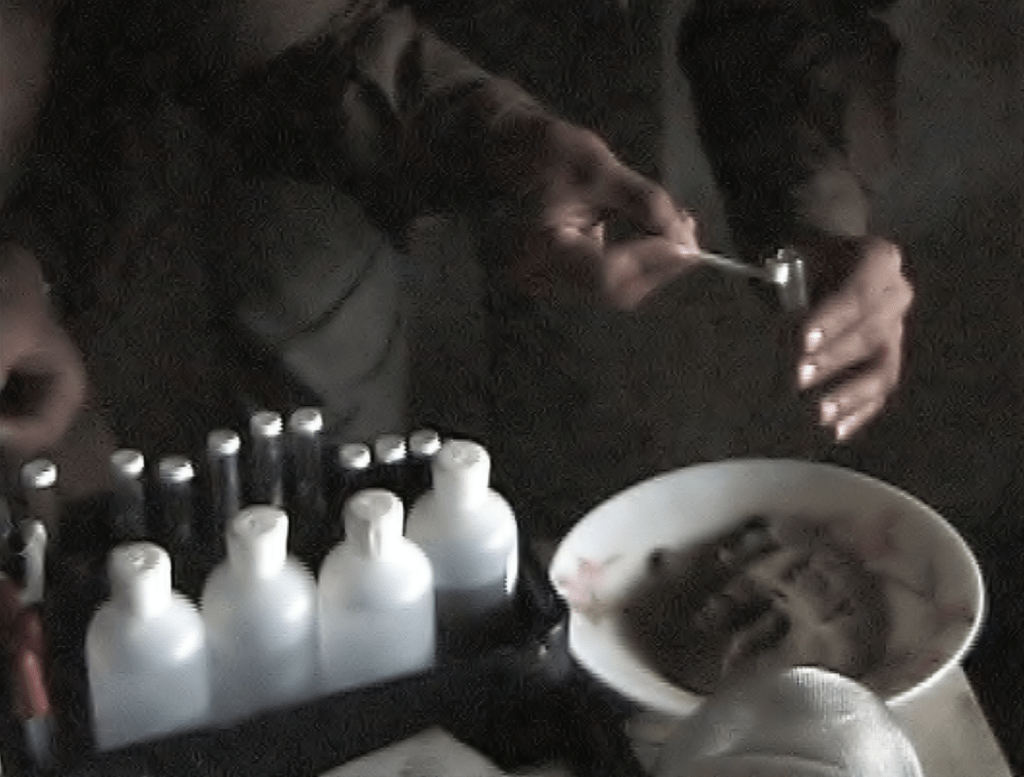
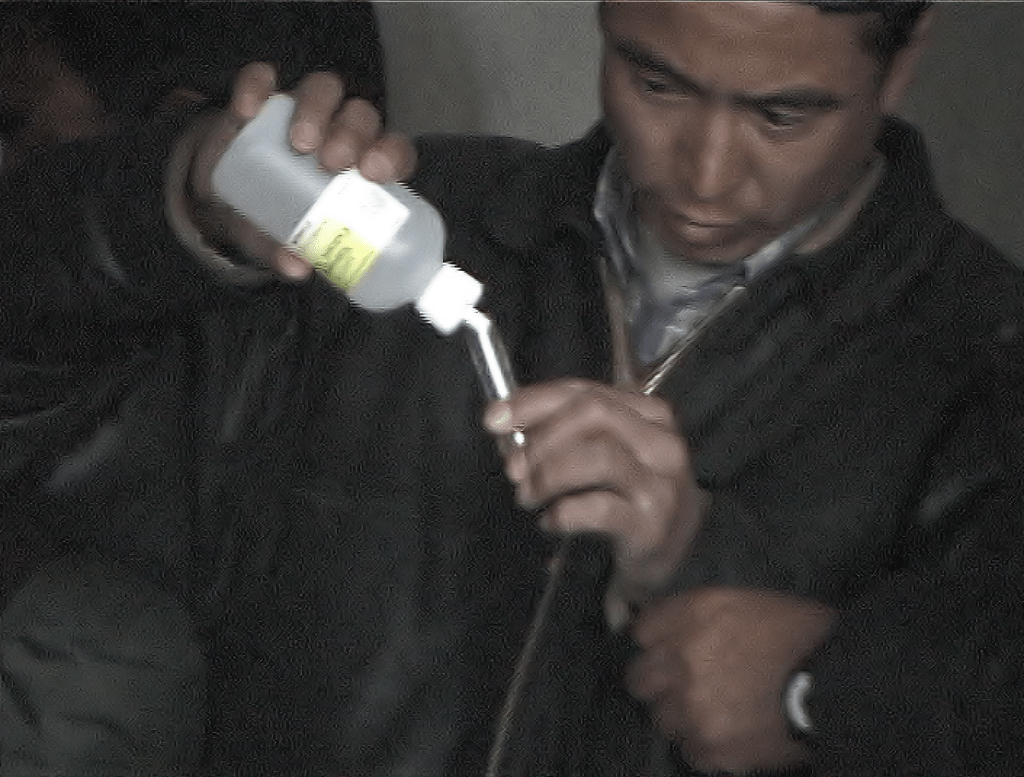
The agents tested soils throughout Ladakh and determined that all 230 soils that were assayed had little or no nitrogen, which explained the consistently low yield of barley and wheat. We speculated that nitrogen in manure piles placed on the soil in the spring had evaporated before it was incorporated into the soil.
The recommendation was to plow manure into the soil immediately after it was placed in fields. The well organized extension service conveyed these recommendations to growers throughout Ladakh.
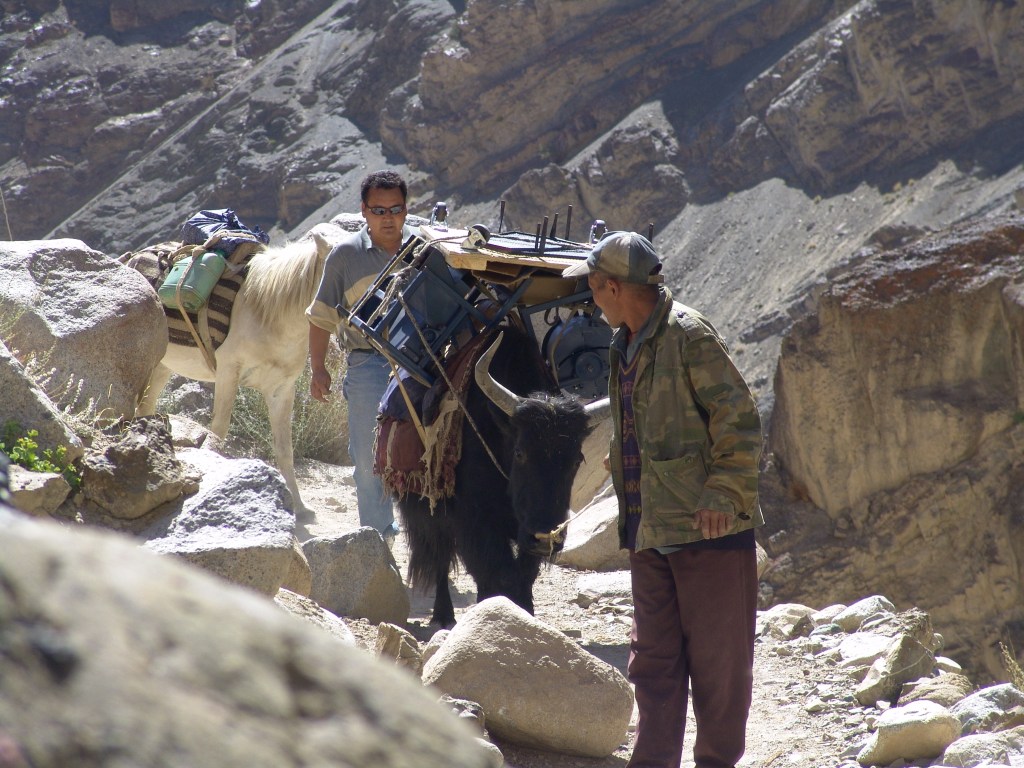
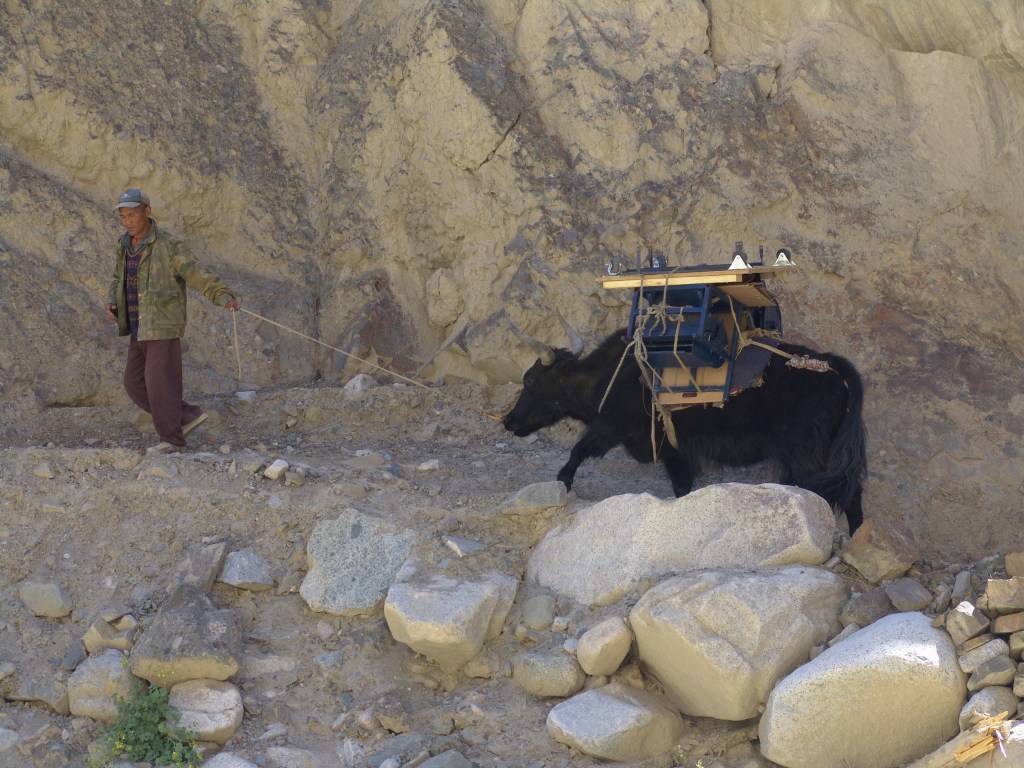
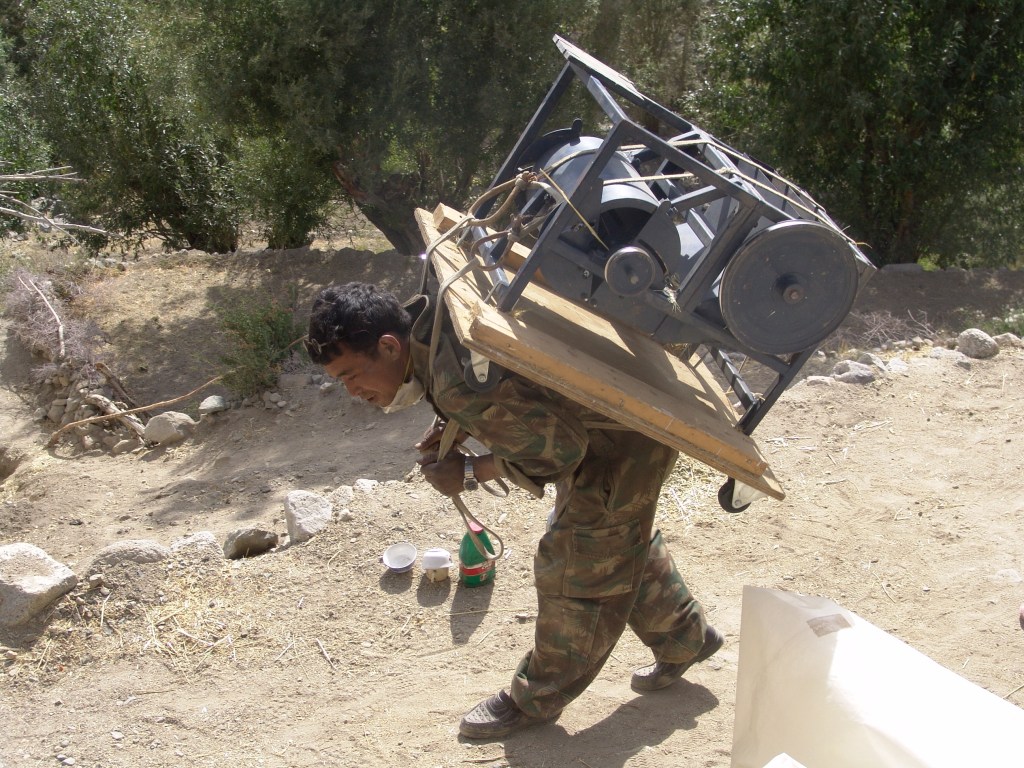
In 2004 after observing traditional threshing and winnowing using animals and human labor a student at the Pennsylvania College of Technology designed a thresher that could be taken apart and transported to remote villages. The machine was shipped to Ladakh in 2006 and was used that Fall to thresh and winnow wheat and barley.
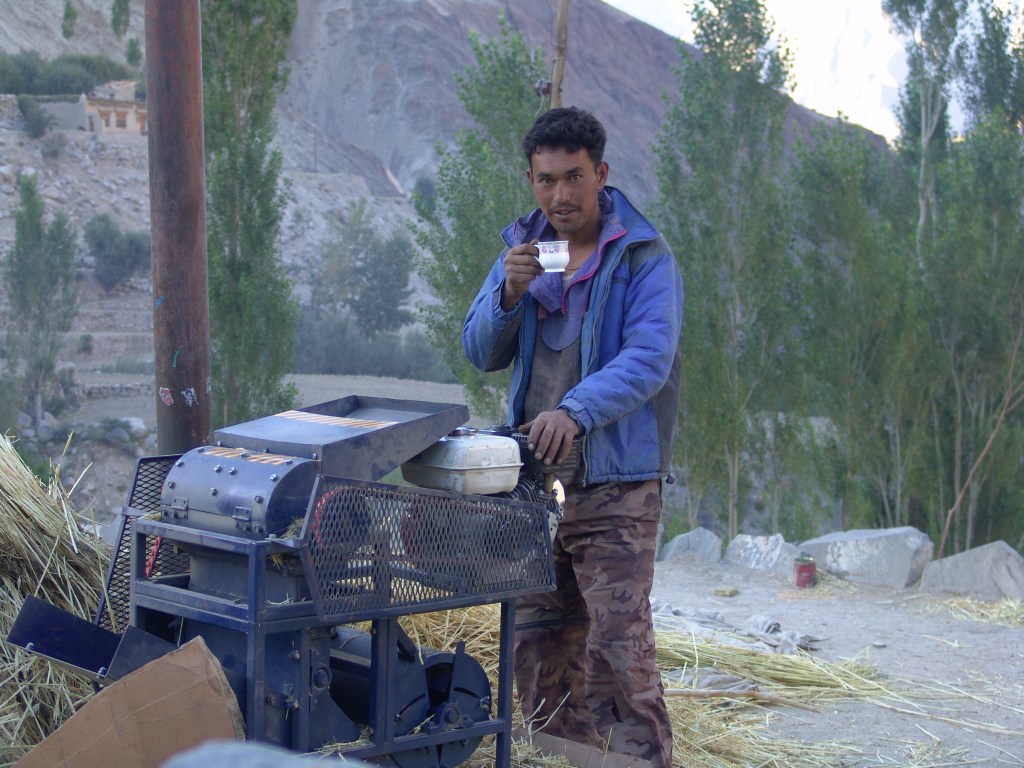
Morning Tea before threshing begins.
A crop that takes 10 to 14 days to thresh using animals would take from two to three days using the thresher. After harvest, many farmers travel to other parts for manual labor and the time they save using the thresher enables them to leave earlier.
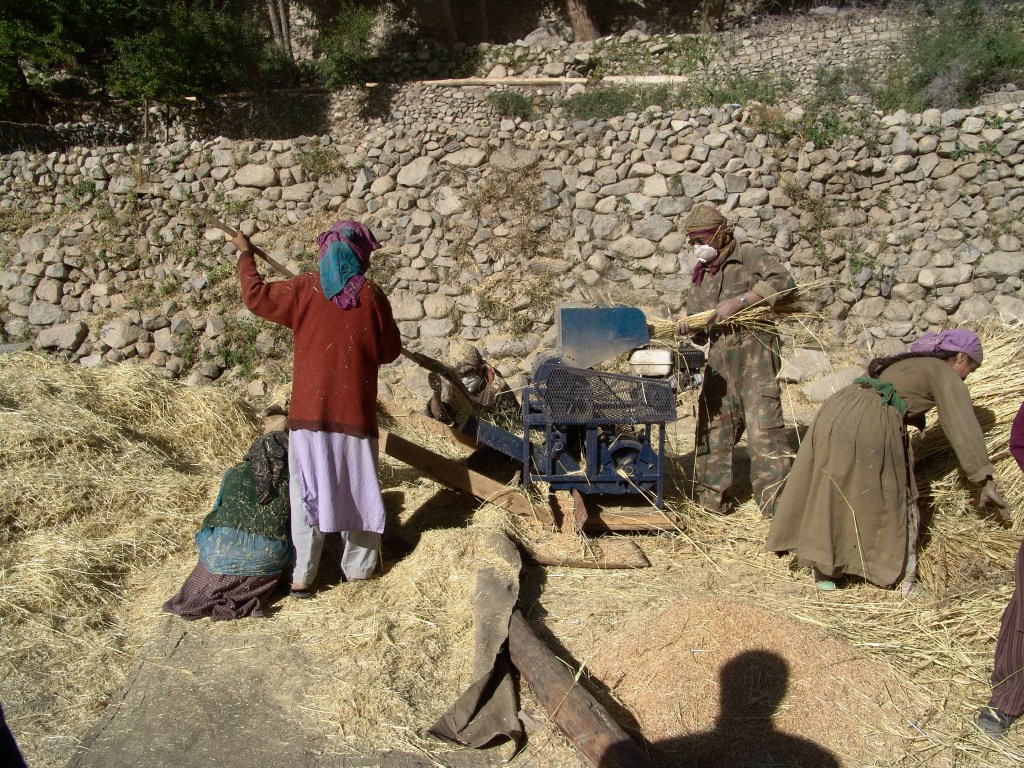
The thresher provided an alternative to villagers who do not have animals and have to rent them. Even those with animals cannot always rely on them since they get sick and sometimes die.
The head Lama of one village told us that he likes the thresher because it runs on its own and they do not have to beat their animals (a sin in Buddhism) to get them to cooperate in the threshing process. It seems the thresher eliminated a religious obstacle that is a problem associated with traditional threshing methods.
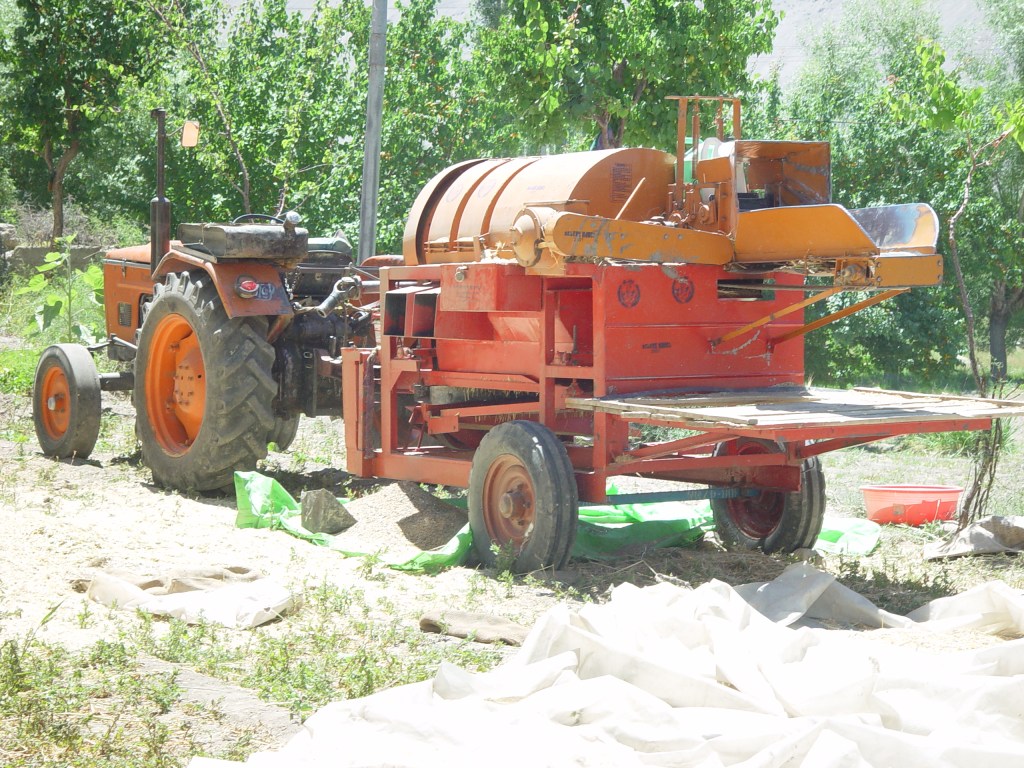
A concerted effort by the Indian government to improve roads throughout Ladakh made possible the widespread use of a large commercial thresher in remote villages; this machine could thresh an entire village in days. It became apparent at this point that there was no more need for a small, semi-portable thresher.
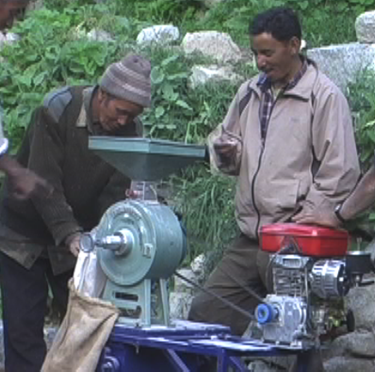
However, once wheat and barley is threshed it must be ground. Traditional water mills are still used in many remote villages (see About Ladakh page) but they cannot be operated once the aqueducts feeding them are frozen in winter. This means that all the grain from one season must be milled before freezing weather begins.
To help alleviate this issue, LDF took an Indian-made grinder and adapted it to fit on the thresher body. This allows a household to grind as much grain as needed at any time.
In addition to building roads into villages, electricity has also been provided to most villages, allowing us to modify threshers/mills with electric motors instead of kerosene engines.
LDF Factory
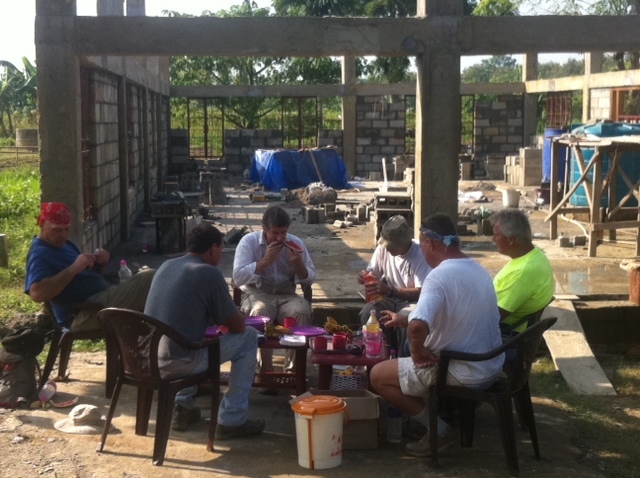
In 2008 land was donated near the city of Dimapur (in the State of Nagaland) on the eastern side of India. A factory was built there with help from a construction team from locations around the US.
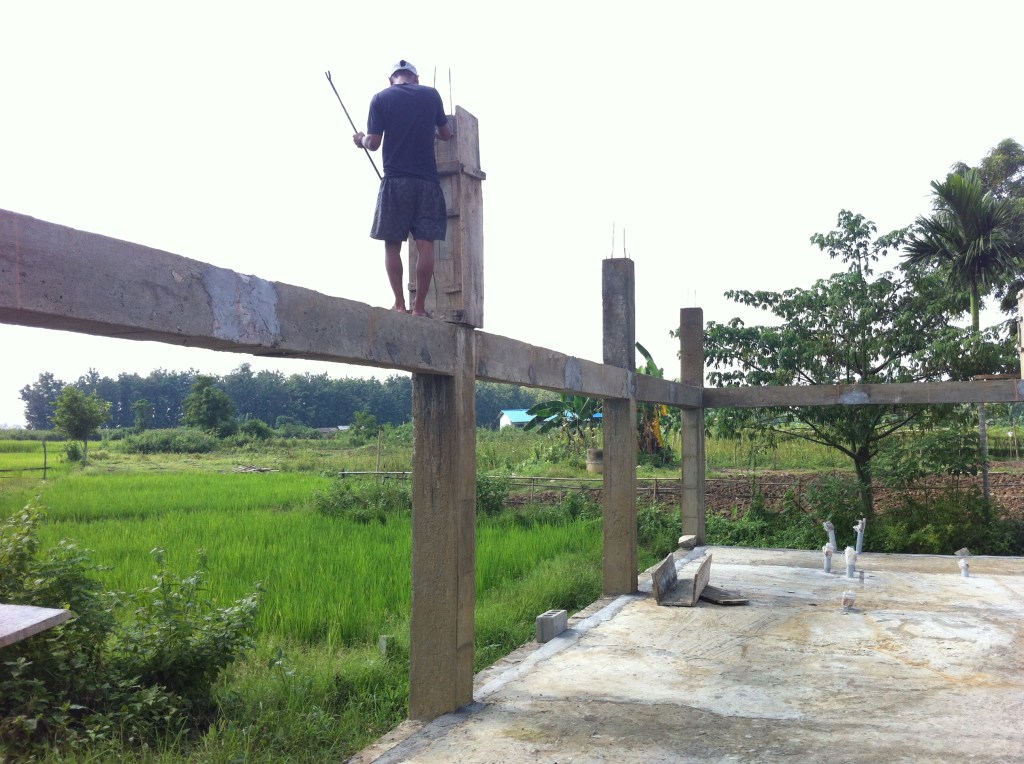
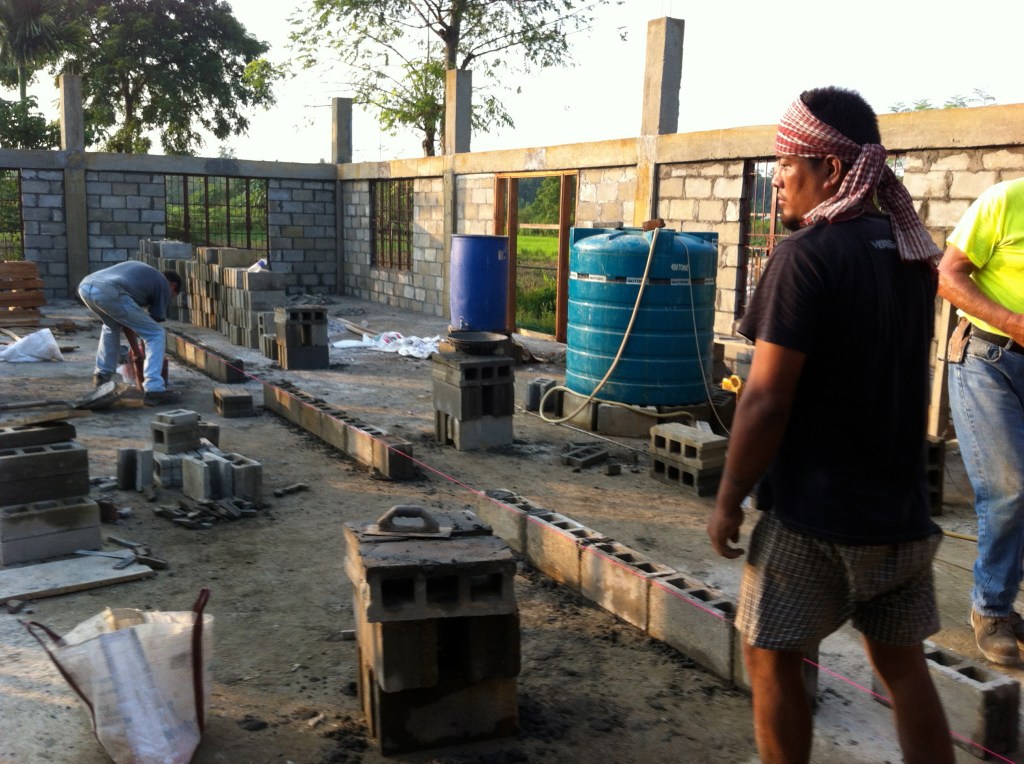
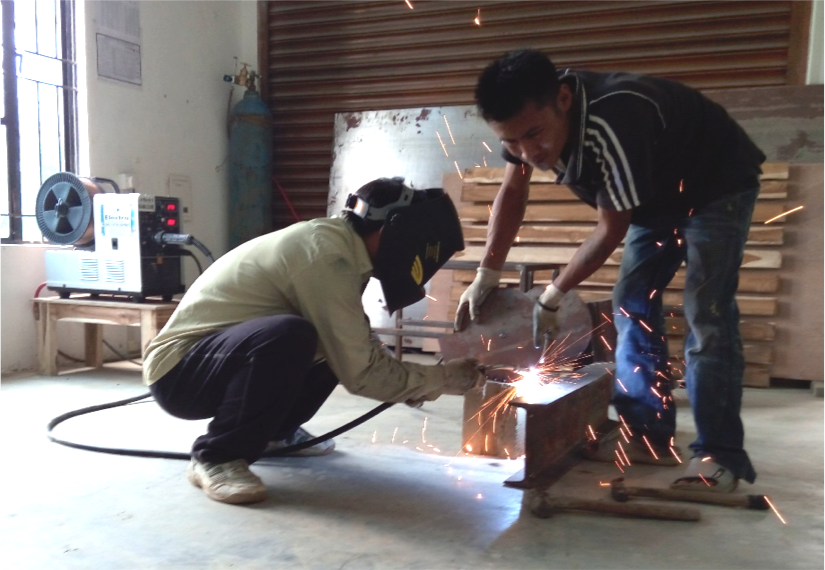
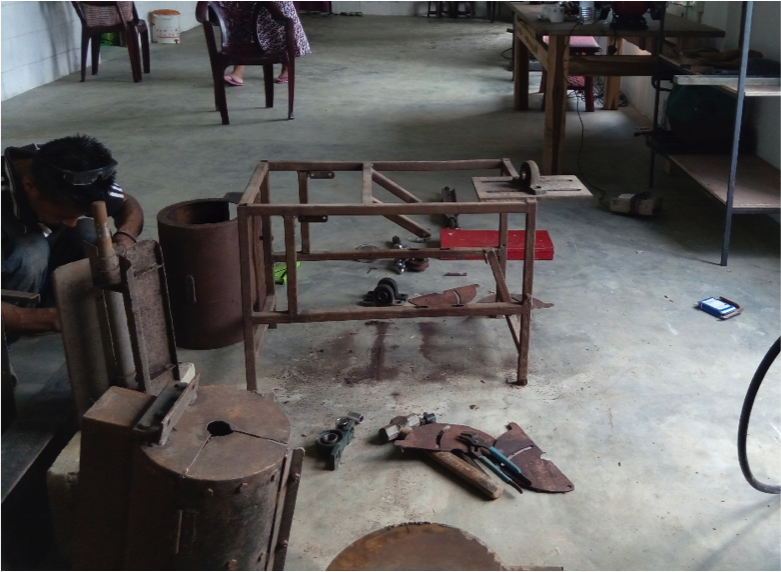
Initially threshers were made at the factory with some components supplied by various companies in the area.
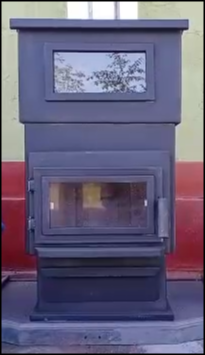
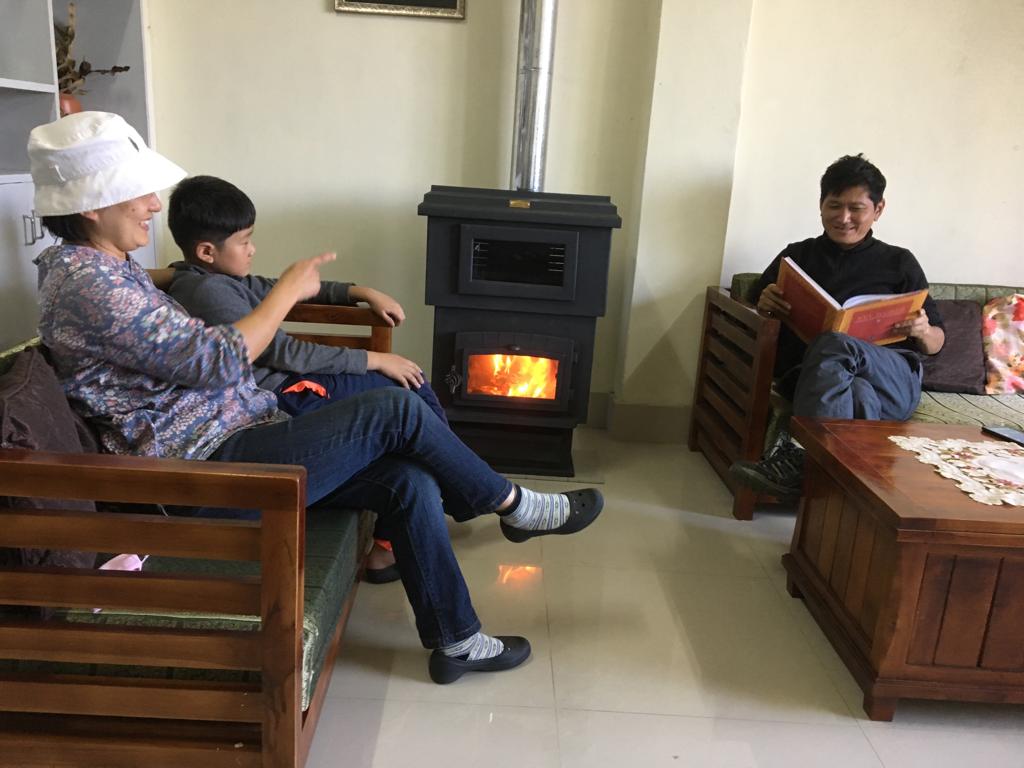
In addition to threshers, a wood burning stove with attached oven, was designed by the factory manager and continues to be a favorite among locals.
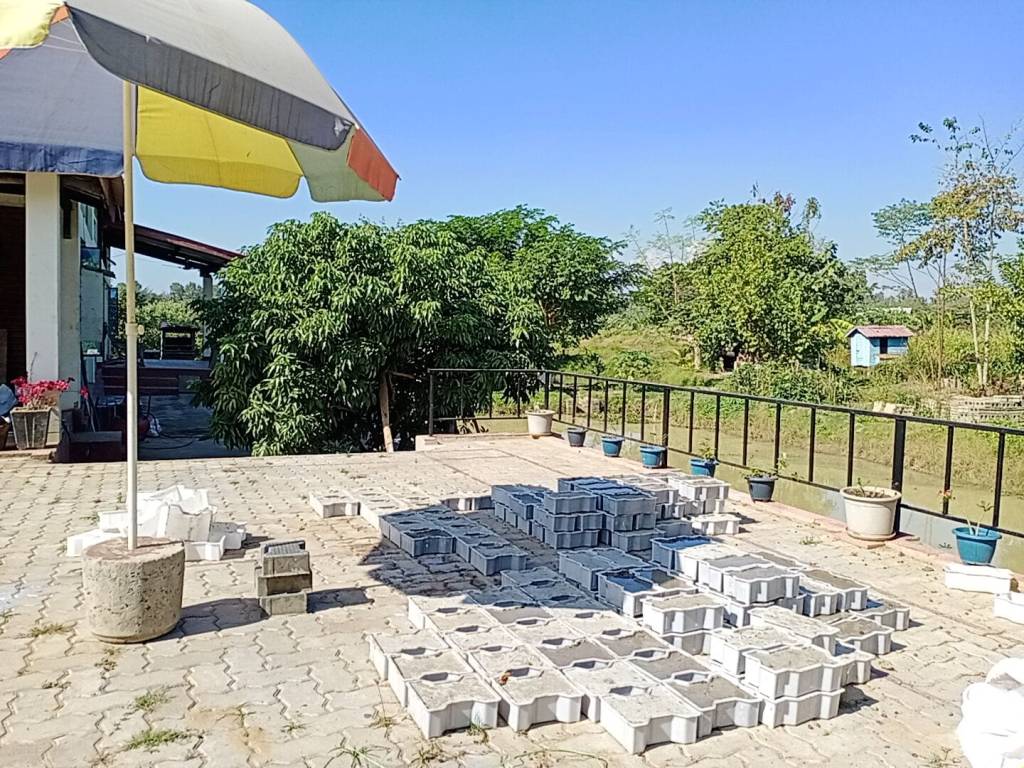
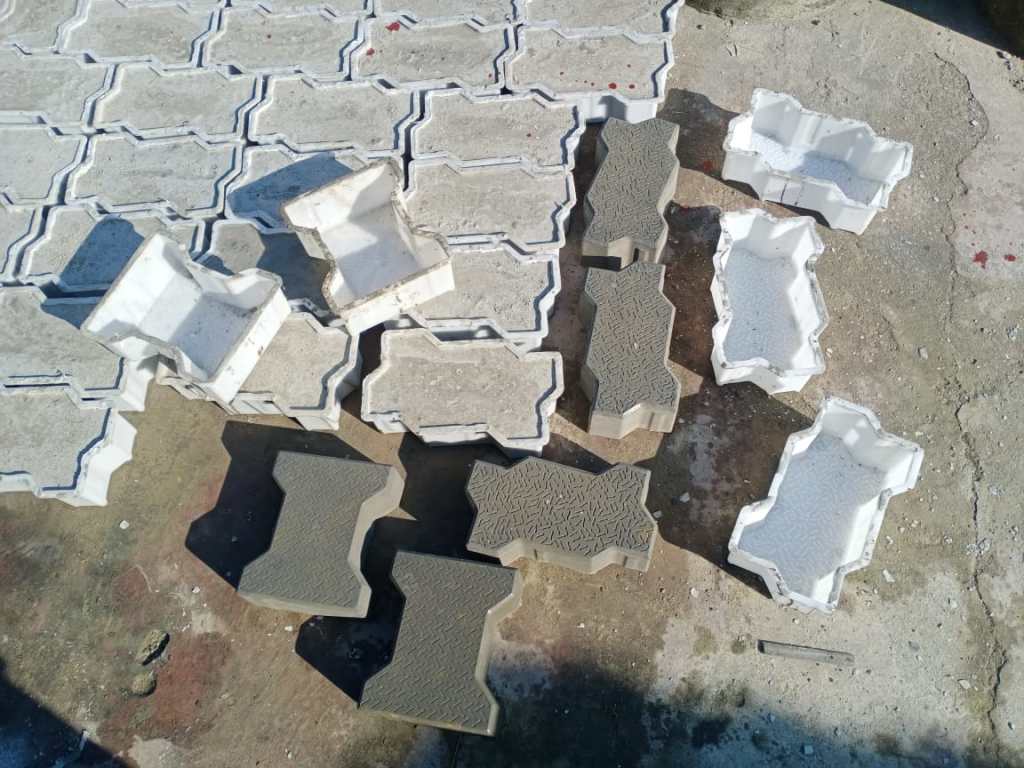
Recently, a need for concrete pavers in construction projects was realized and the factory is now manufacturing them as well.
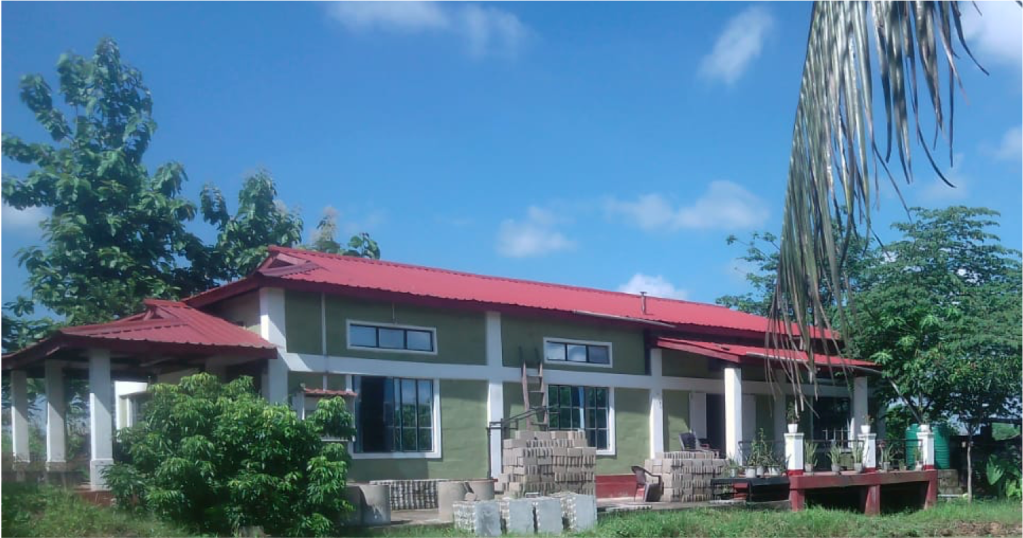
The LDF Factory in 2025
While LDF accepts donations for the work in the Himalayas, the purpose of the factory is for LDF to become self sufficient and carry on humanitarian effort throughout Ladakh and Tawang without external financial support.
Donations
If you would like to contribute to this project you can mail a check to Ladakh Development Foundation, PO Box 924, Montreat, NC 28757. Or you can use Zelle at 919-413-6110. If you decide to use Zelle, Please send an email to DPL3@proton.me to inform us. We will confirm your transfer by email.
 Ladakh Development Foundation