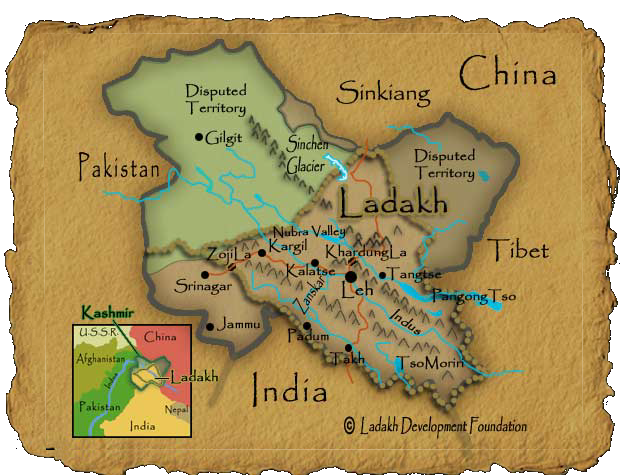
Ladakh is at the western end of the Tibetan Plateau in the northernmost part of India. It is about the size and shape of South Carolina with an average altitude of 12 to 13 thousand feet.
Many remote villages, however, are at altitudes of 13 thousand feet or higher with connecting passes at 16 to 18 thousand feet.
Many of these villages are only accessible by foot; however, India has made a concerted effort to build roads into some areas to allow access by the military and other humanitarian efforts.
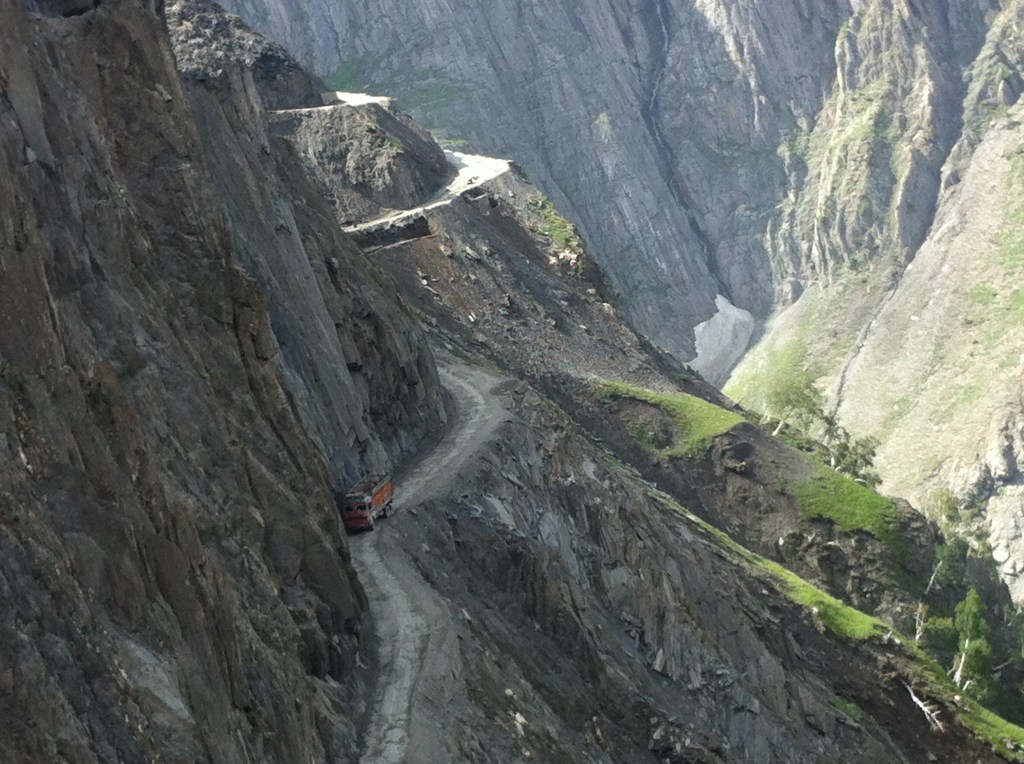
A lone truck negotiating Zoji Pass. The pass is actually a 5 mile gorge with the top at 11, 575ft.
There are two motorable roads into Leh, the capital of Ladakh. Both are open from about June through late October. However, they are usually, but not always, closed due to snow the rest of the year.
One road from Manali south of Ladakh takes 2 to 3 days to reach Leh, depending on road conditions. The other, from Srinagar in Kashmir (west of Ladakh) takes 2 days.
Both roads are mostly single-lane (as of this writing), blacktop and wind through some of the most rugged terrain in the world.
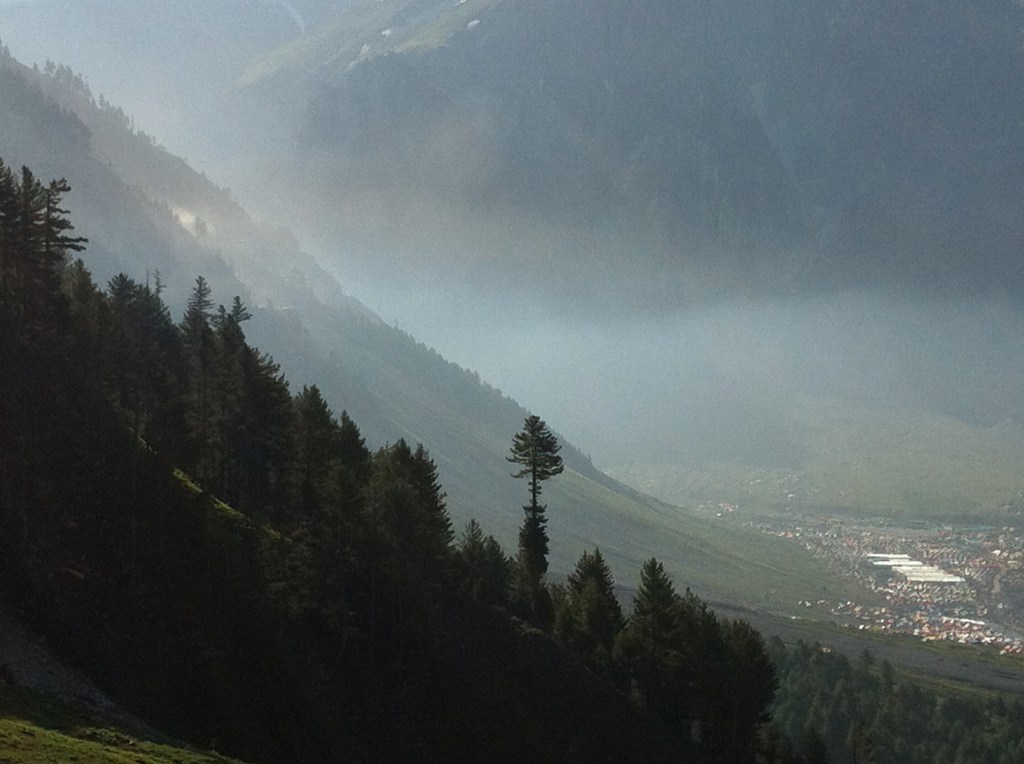
On the way to Zoji Pass
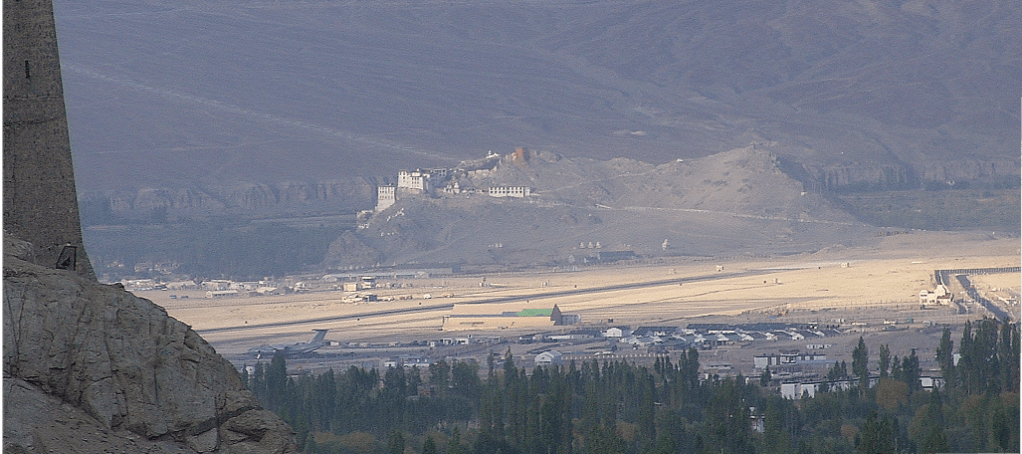
An airport operates year around and at 10,682ft is one of the highest commercial airports in the world.
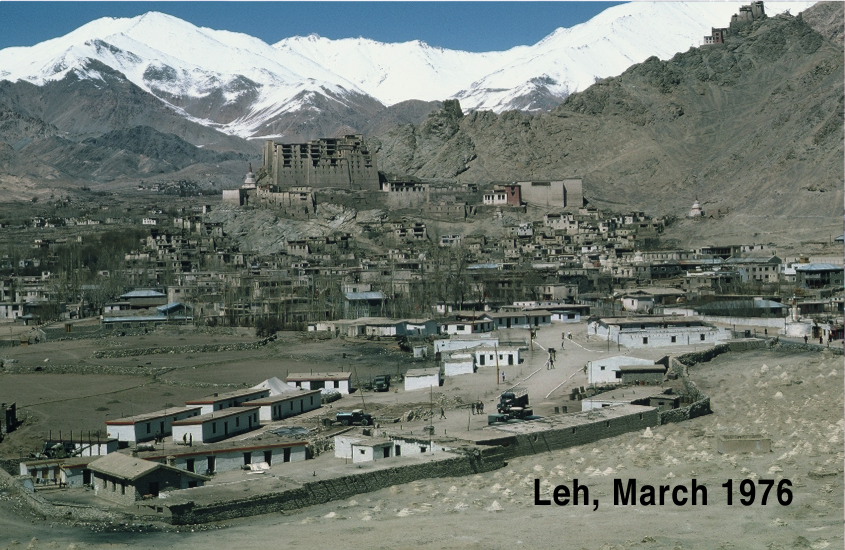
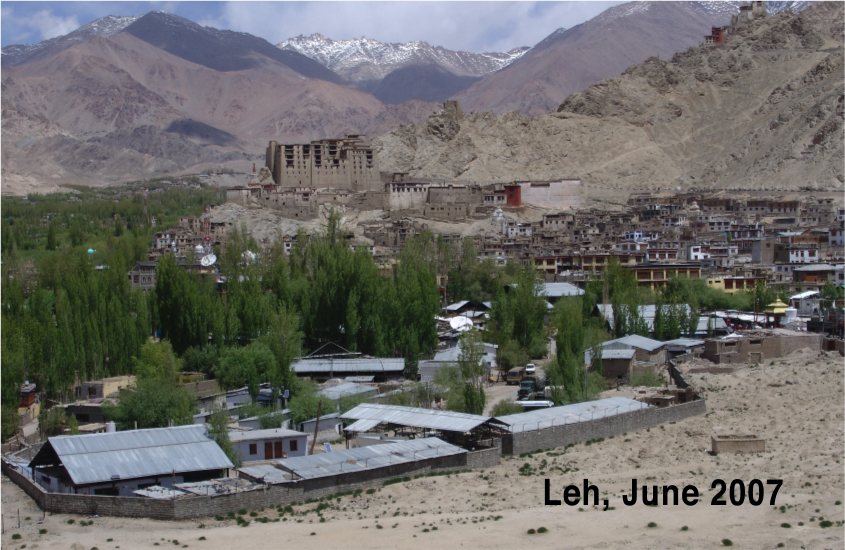
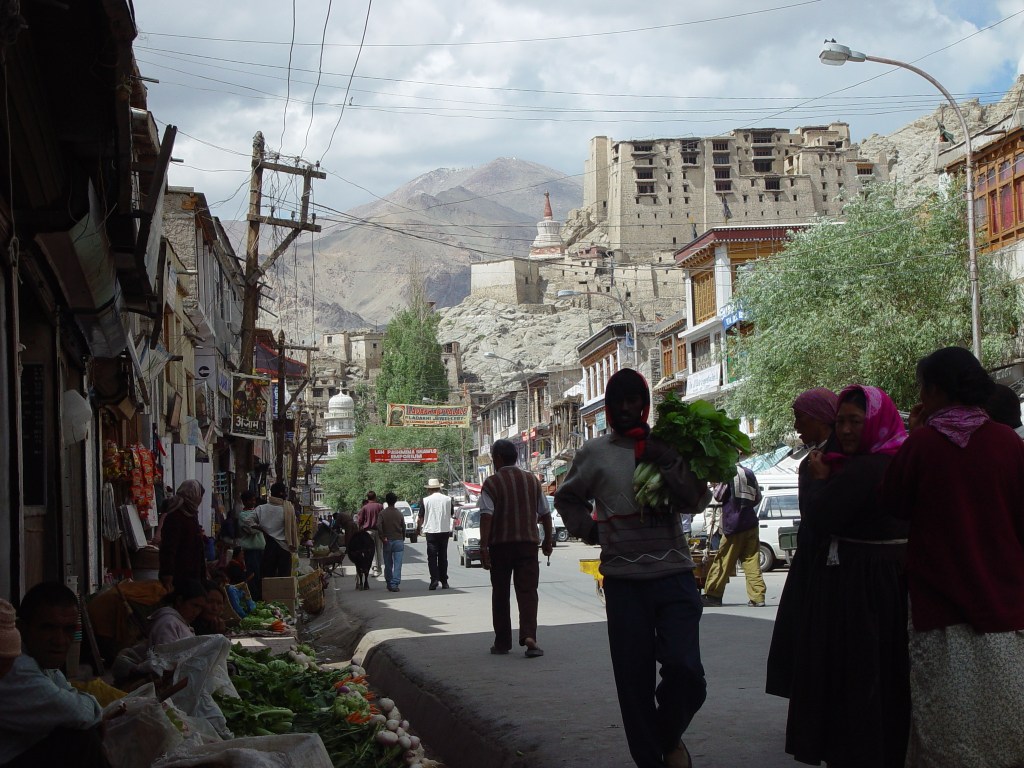
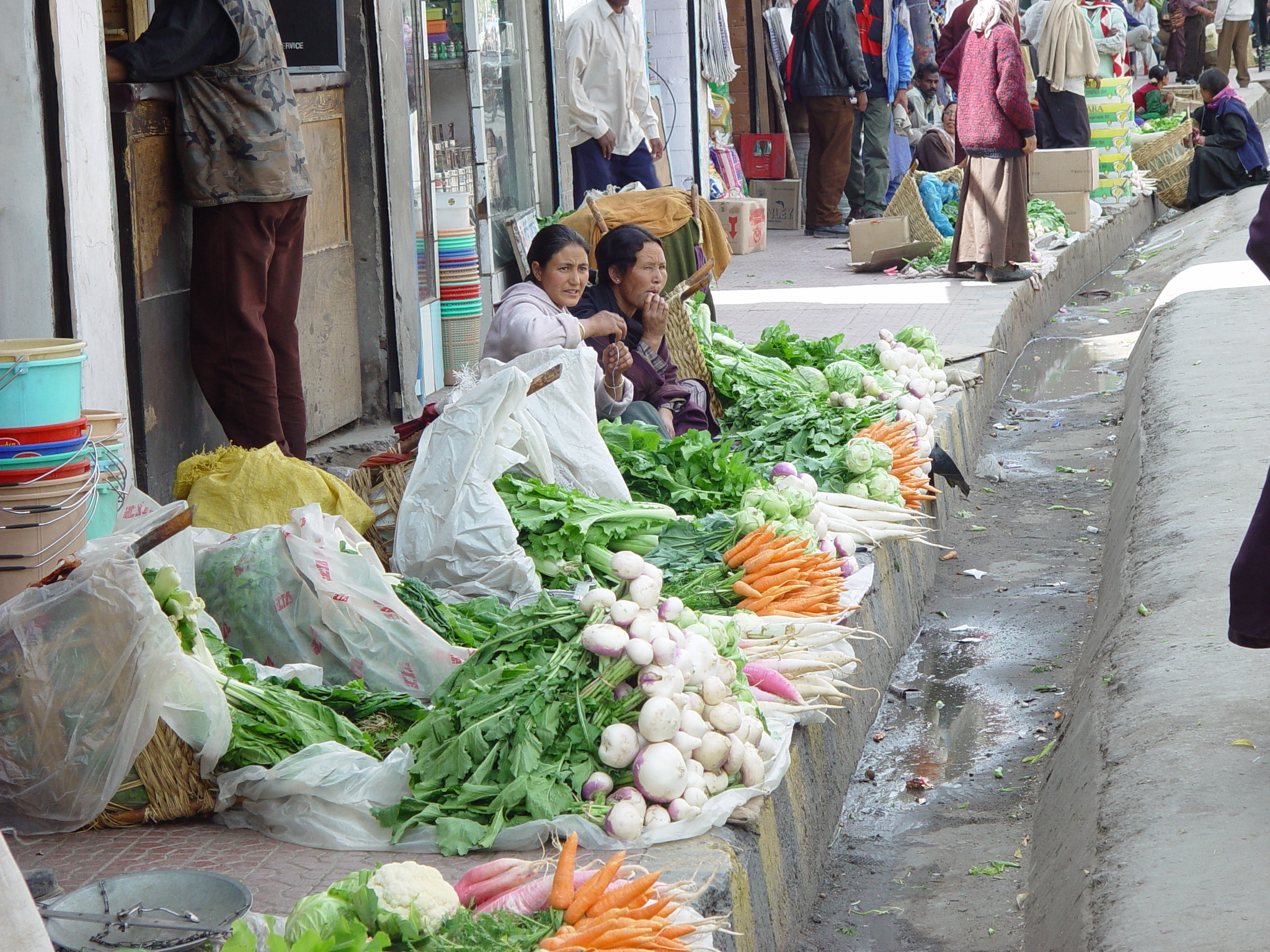
Wheat, barley and potatoes are the main crops grown in Ladakh. Numerous other vegetables have been introduced over the years and are for sale in the Leh Bazaar.
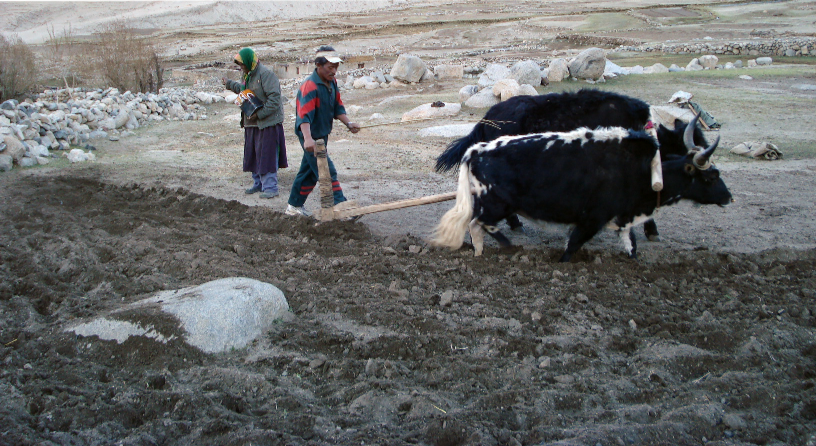
Agriculture in Ladakh begins with spring plowing and planting (wheat and barley) using Dzo’s, a cross between yak and cow.
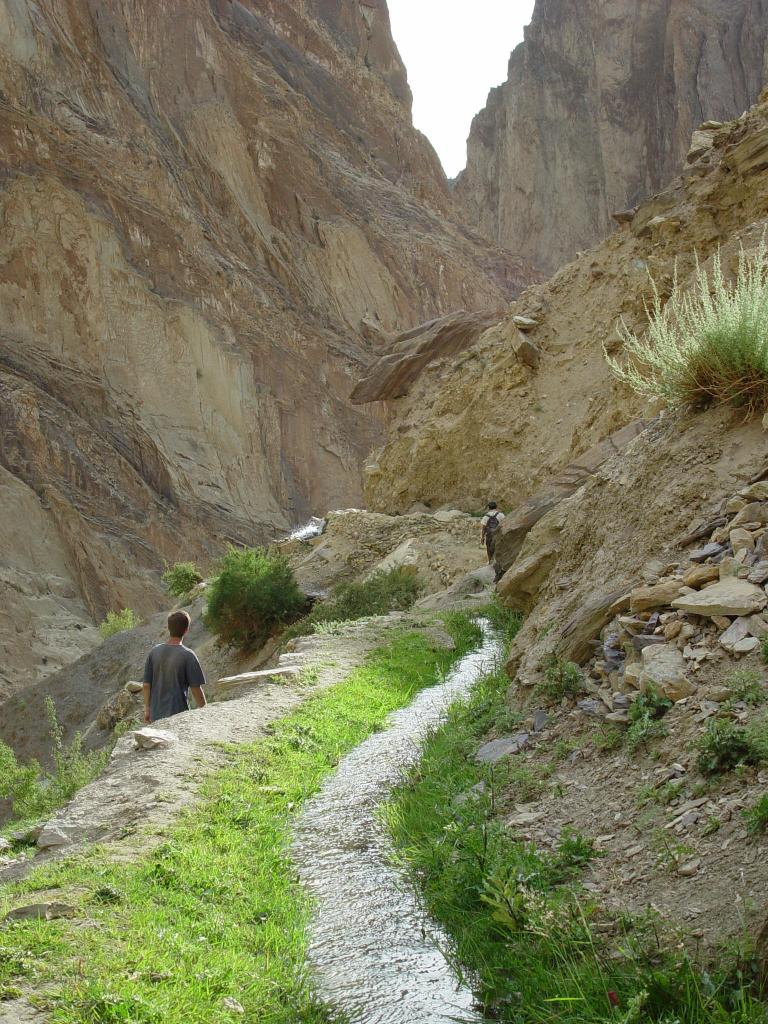
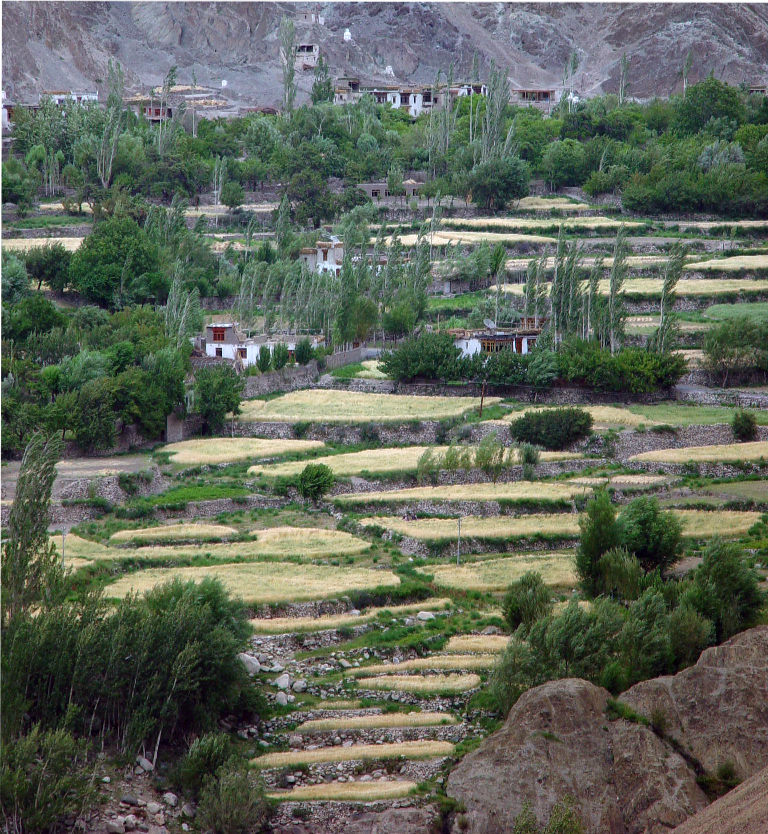
Barley and wheat fields are irrigated through a series of complex aquaducts that are fed by glacier melt from April until August.
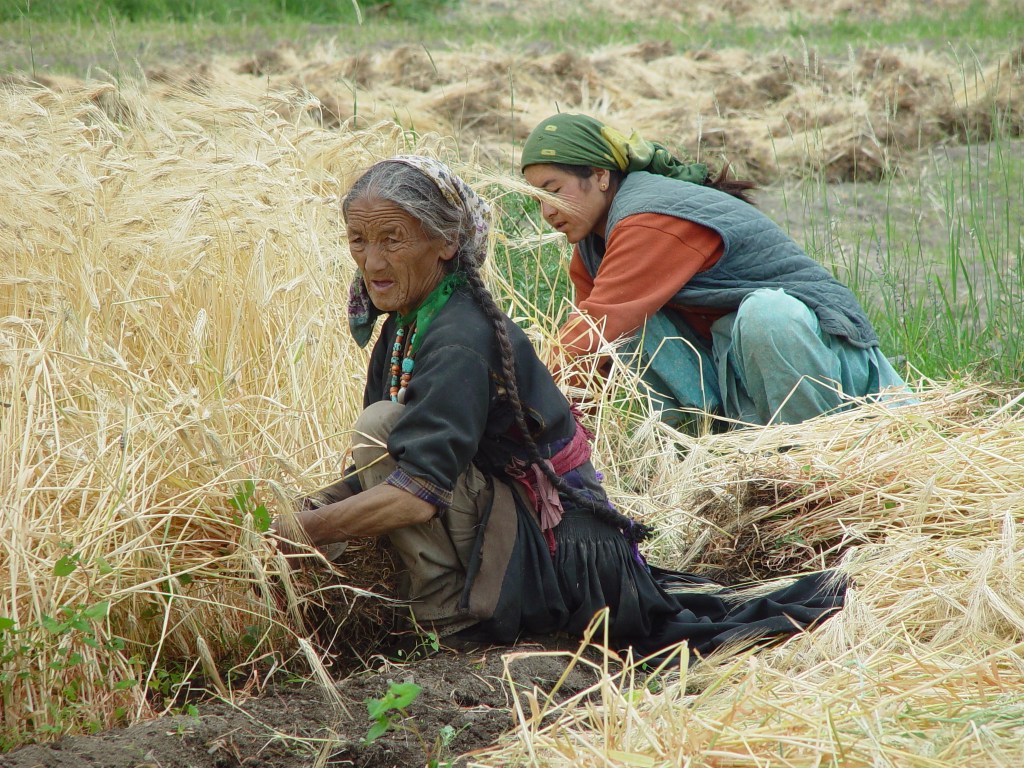
When the crops are mature they are harvested by hand and left in the fields to dry
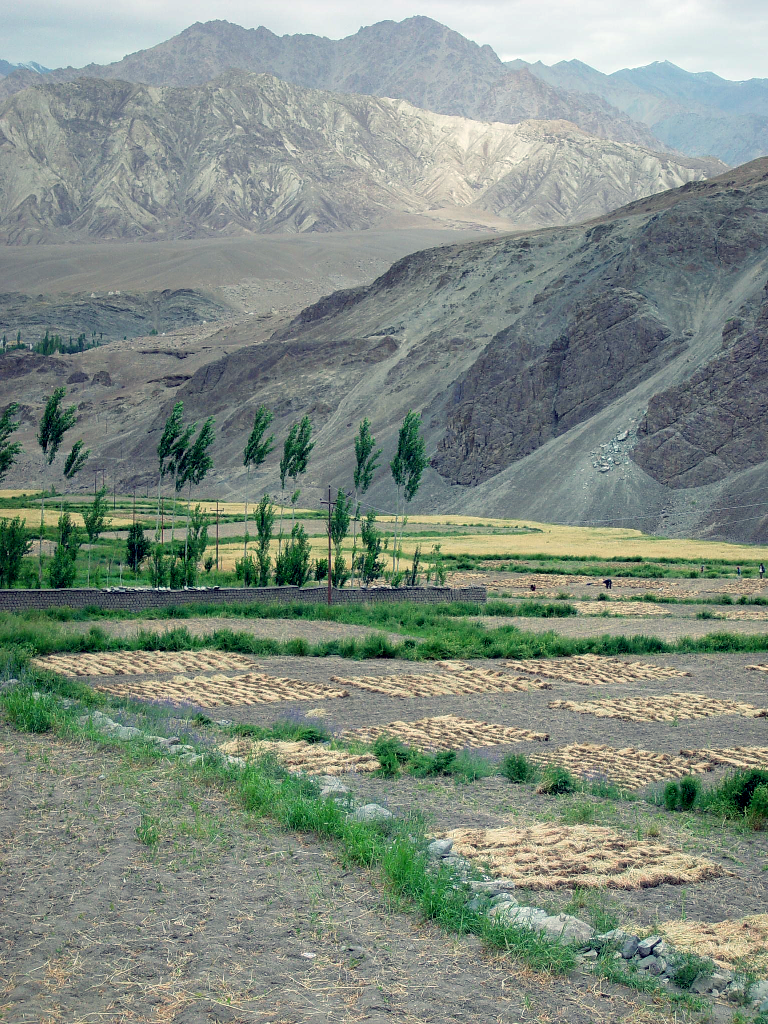
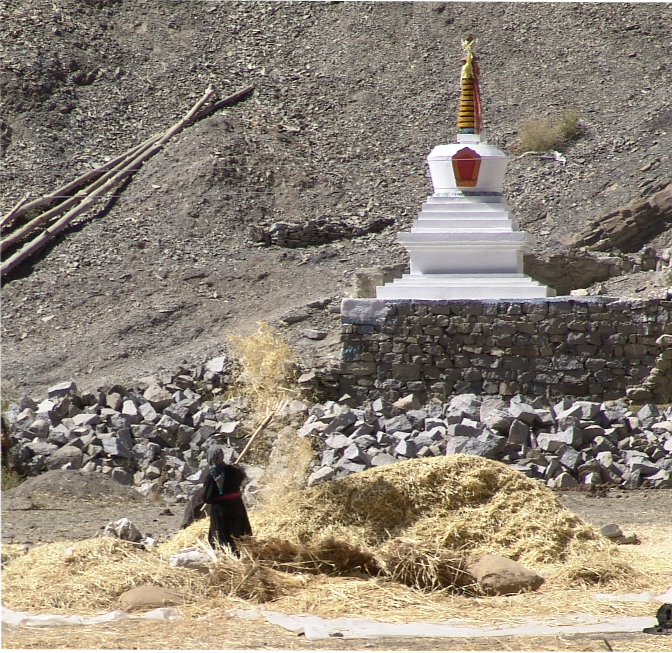
Then threshing and winnowing begins. God told the Israelites not to withhold from the animals treading out the grain. This is a threshing technique still used after thousands of years.
Then the crop must be winnowed.
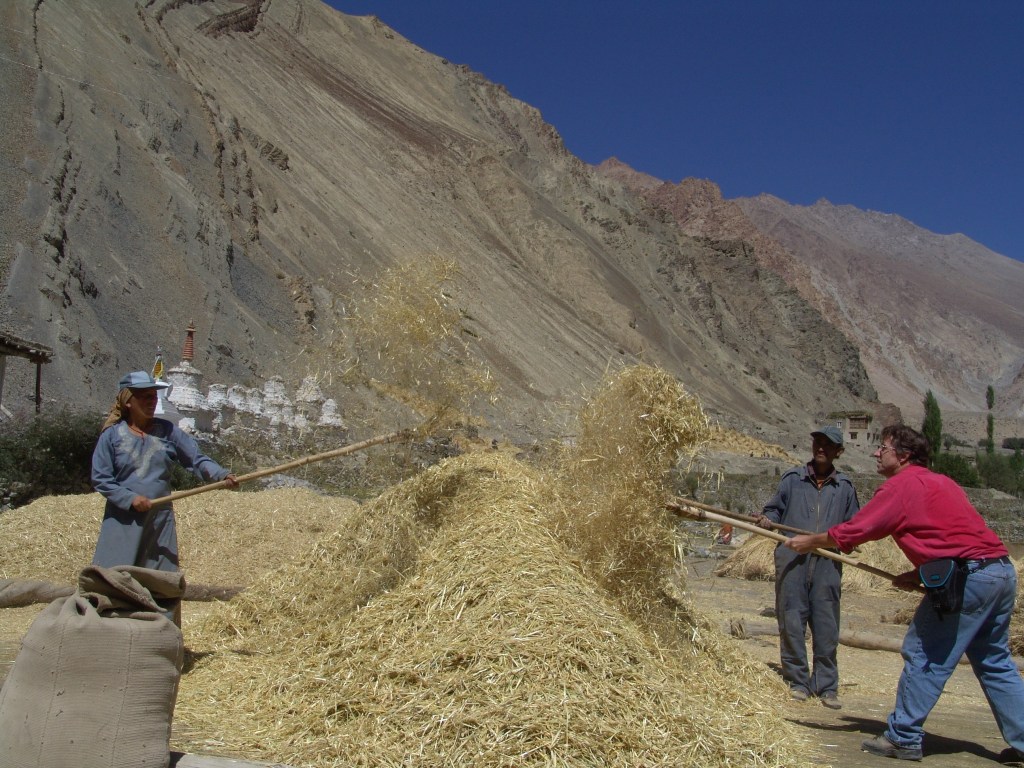
Livingston trying his hand at winnowing
Winnowing is a lot of work. It is definitely harder than it looks. Especially if there is no wind.
.
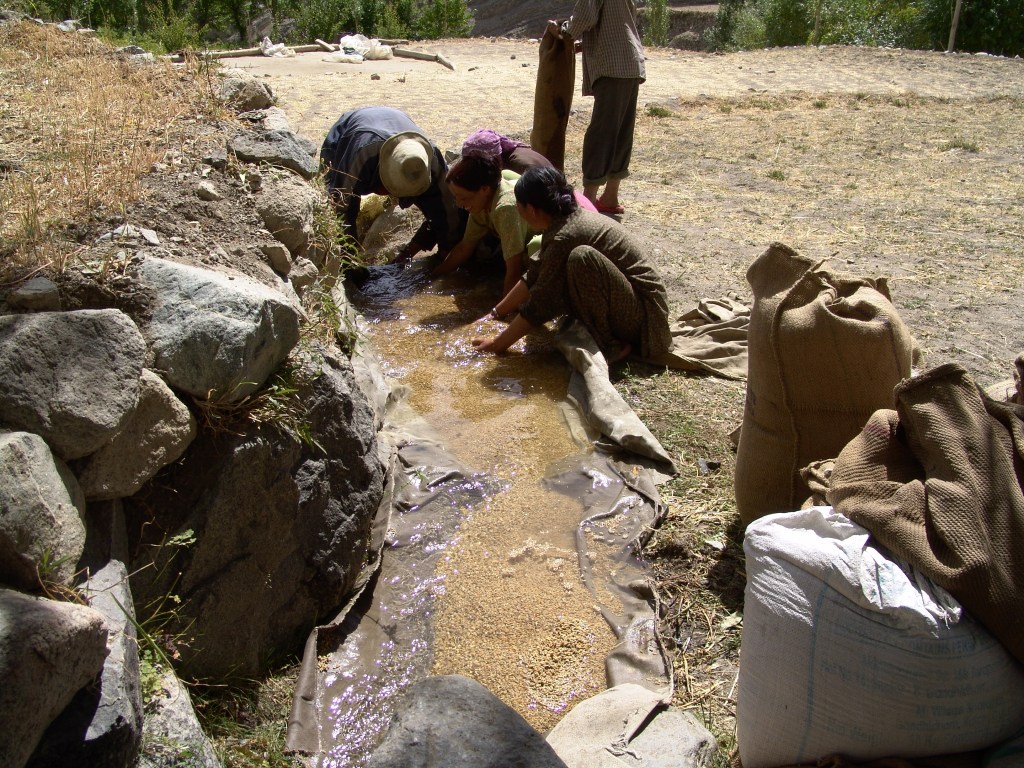
After the crop is washed to remove small stones, it is dried and then ground.
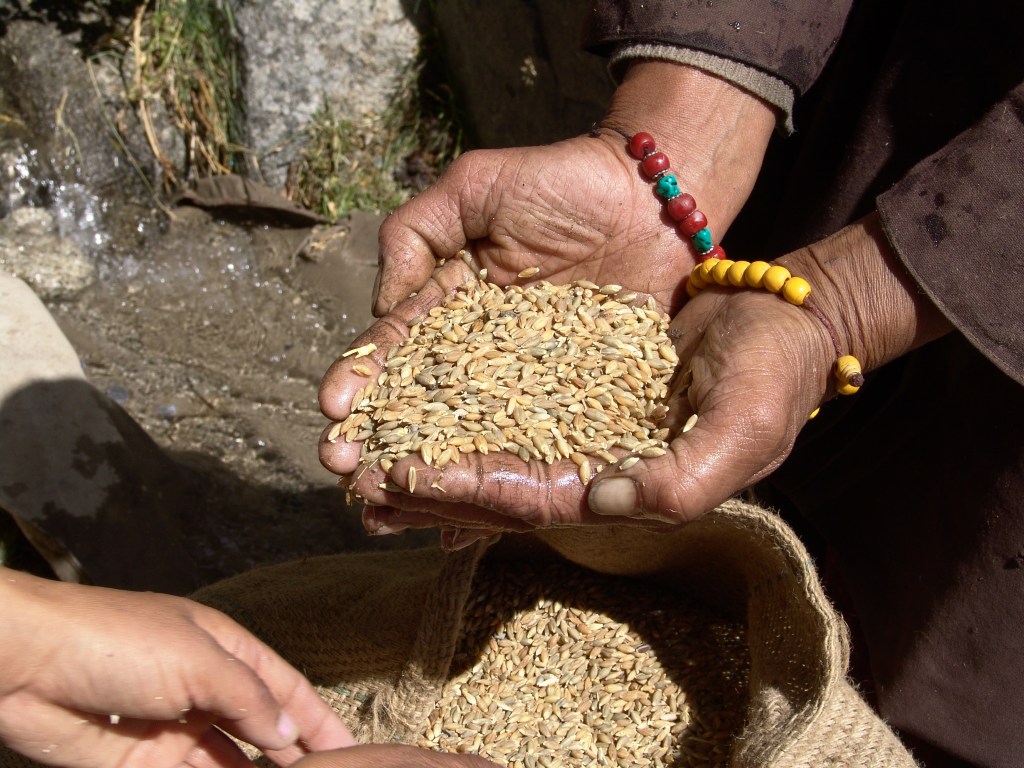
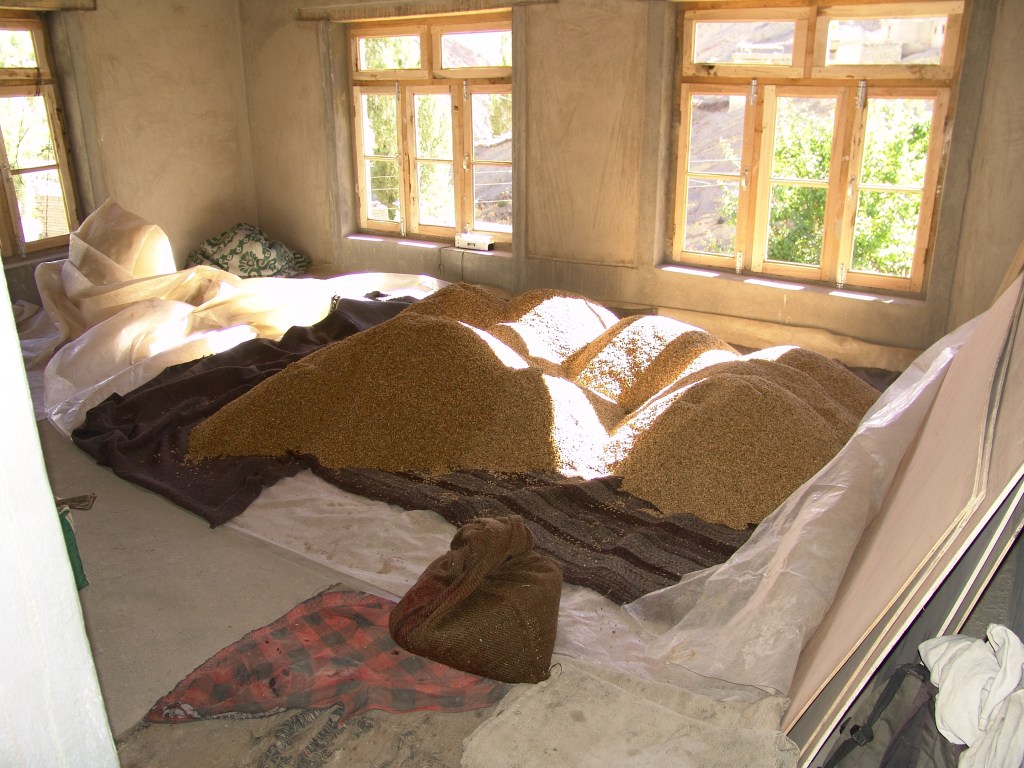
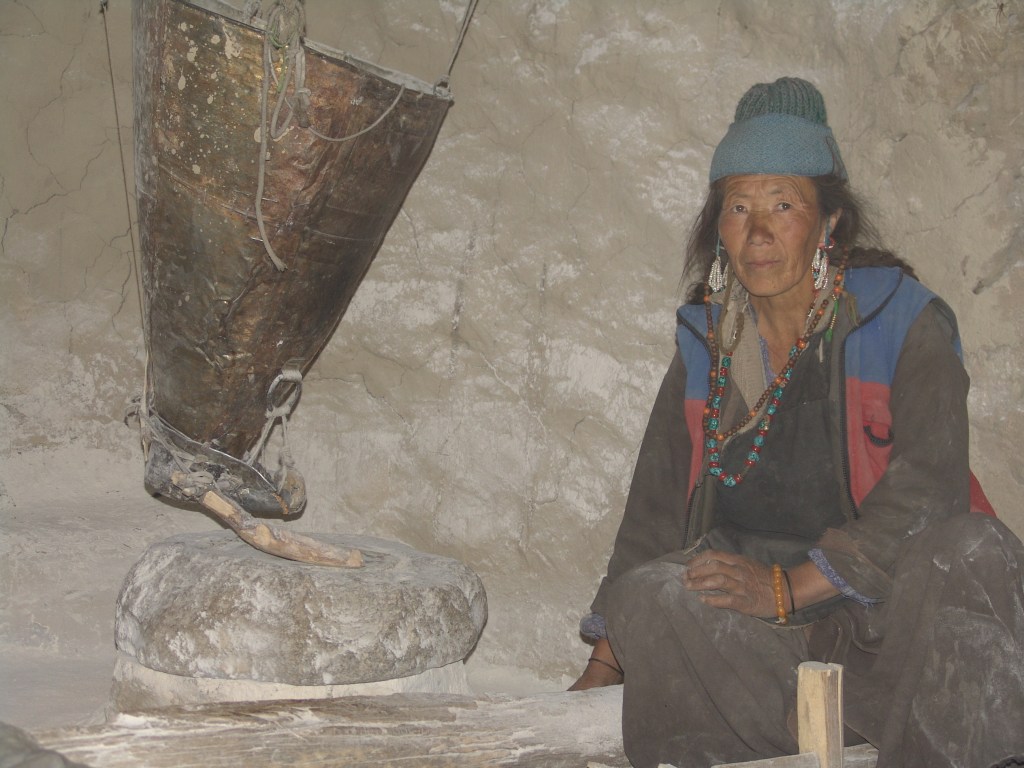
In many villages wheat and barley is ground in traditional water driven mills.
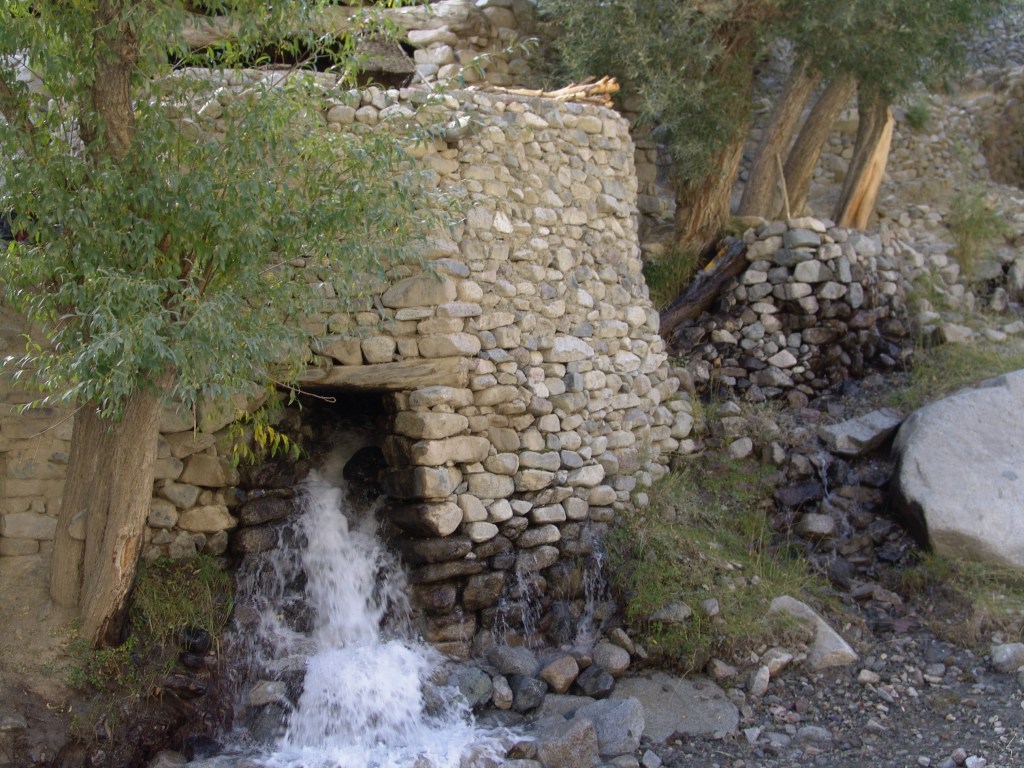
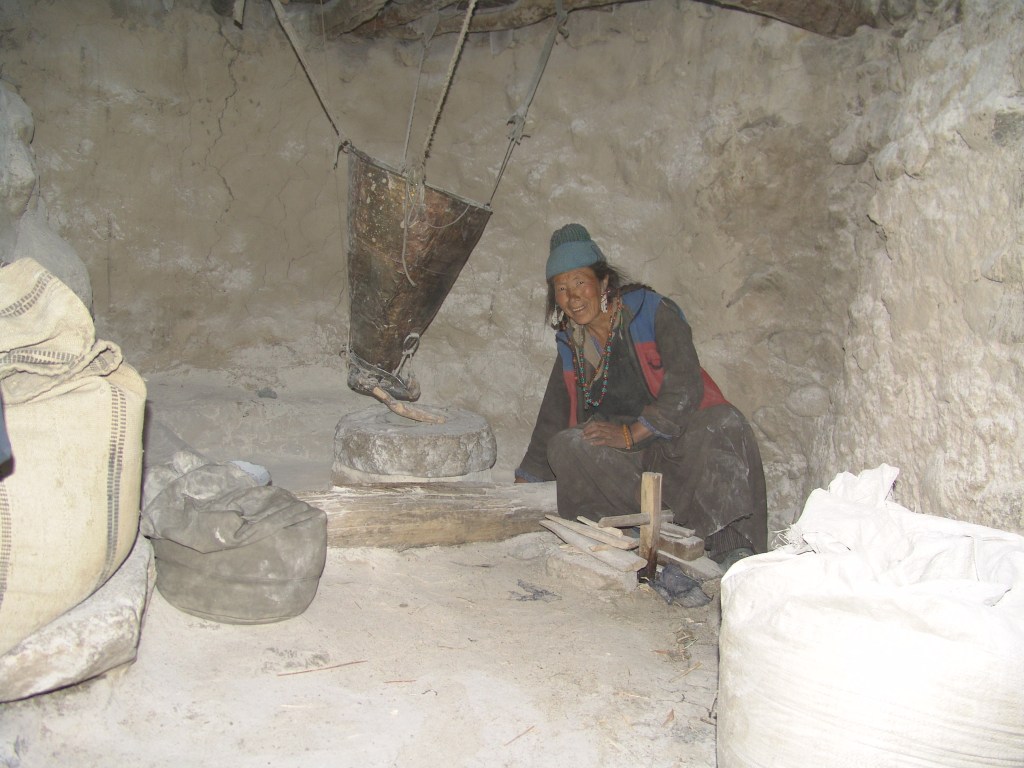
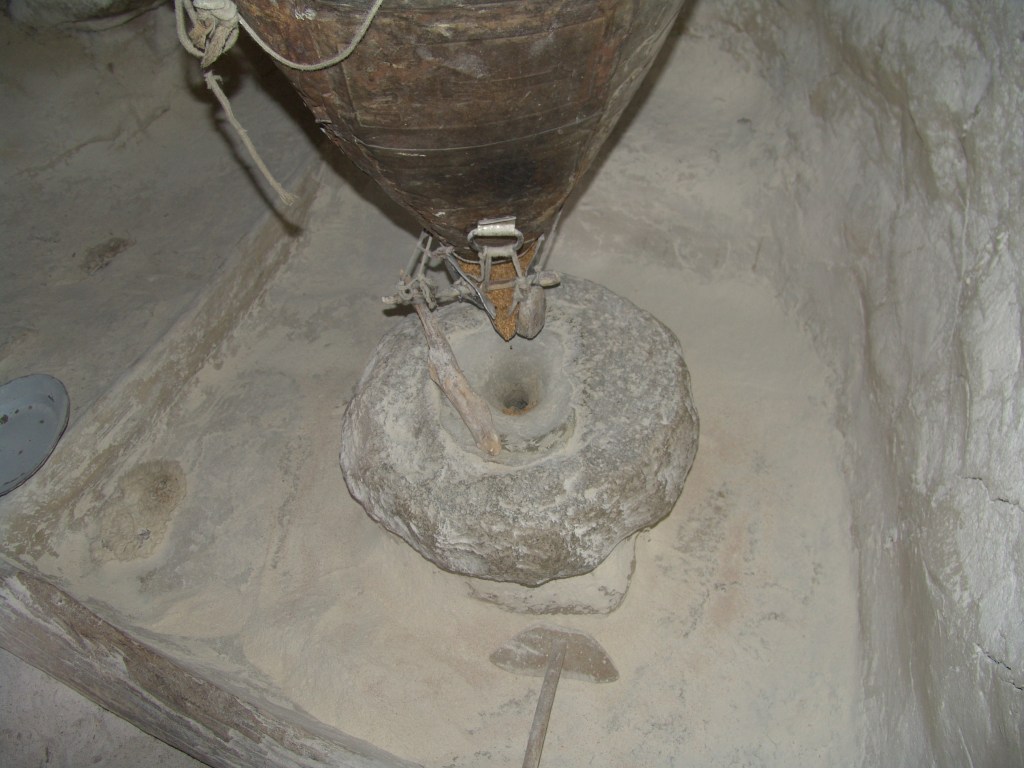
Wheat being fed into a running mill
One end product? Pasta…….best tasting noodles ever….
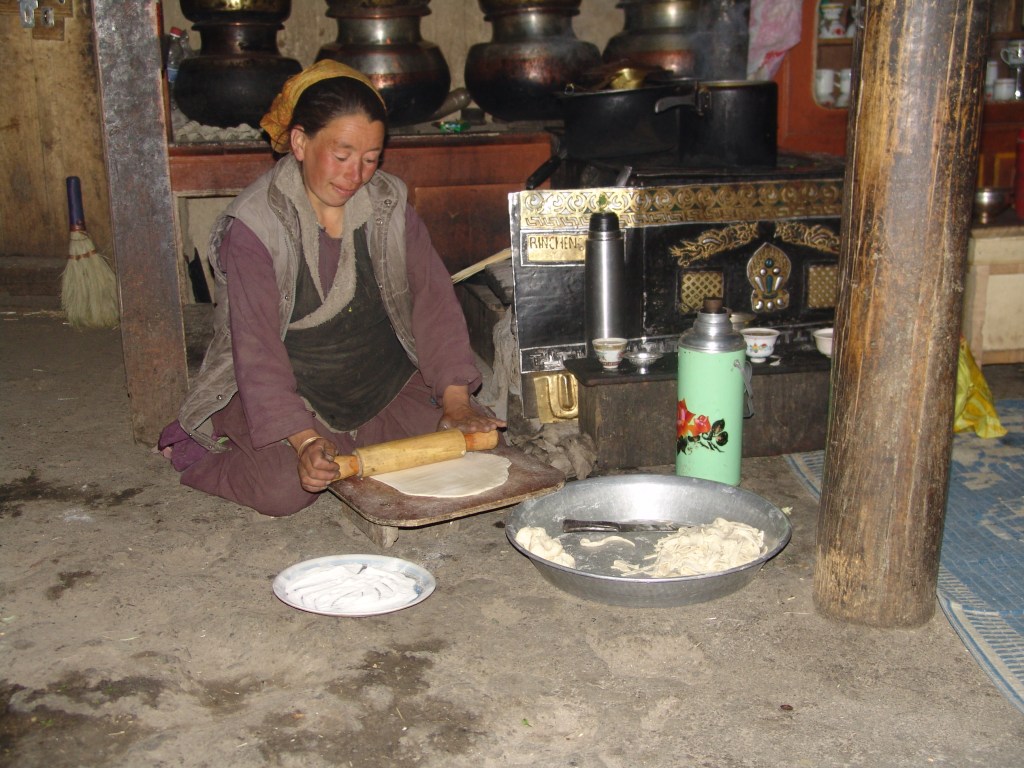
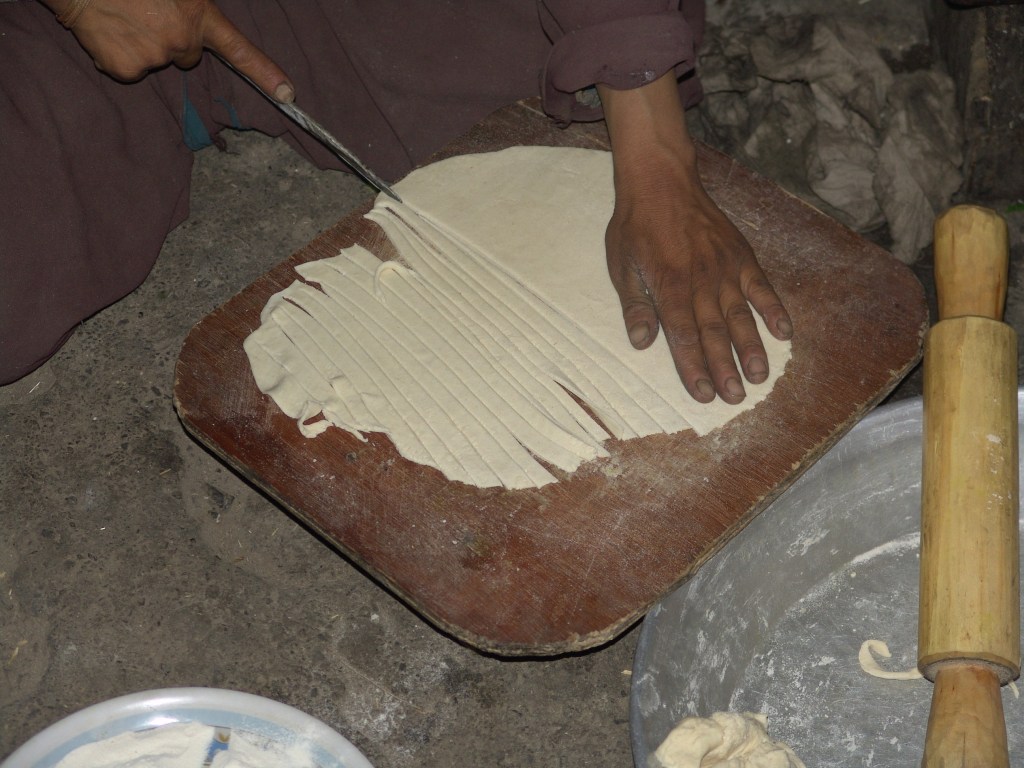
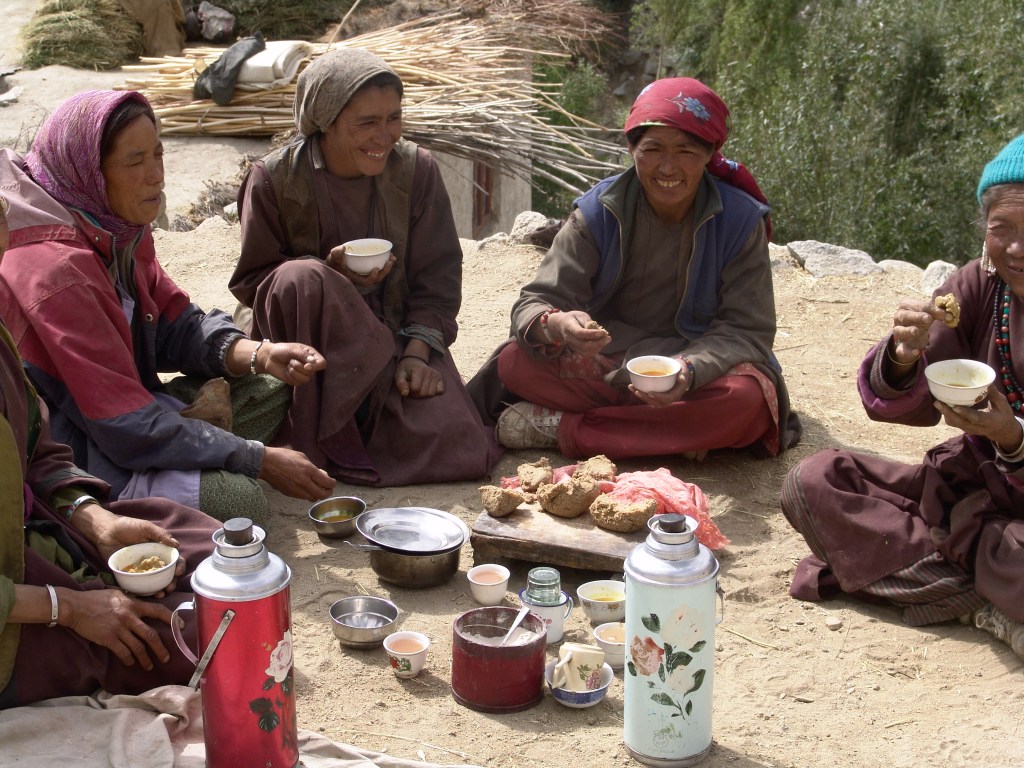
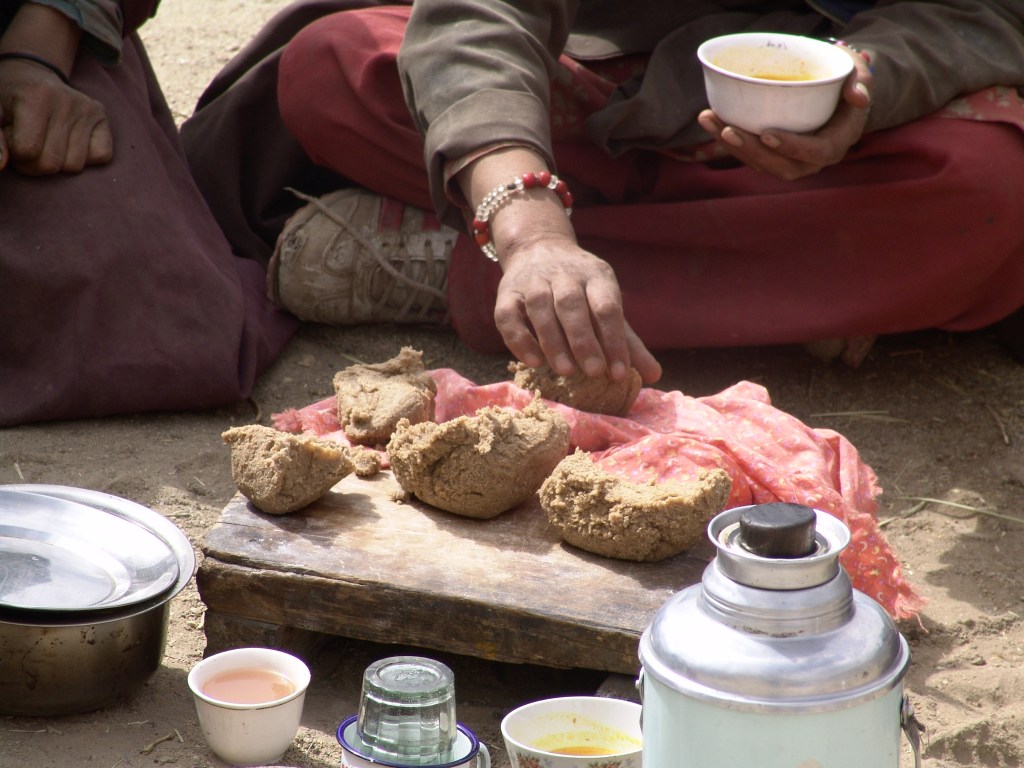
OR Tsampa…….a cake-like dough of barley flour. Perfect for afternoon tea.
 Ladakh Development Foundation